Key Takeaways:
- A full house rewire typically takes 3 to 10 days of actual labor, but the complete project — including permits, inspections, and wall repairs — can stretch to several weeks.
- The size and age of your home are the biggest factors affecting the timeline, with older homes featuring plaster walls or outdated wiring systems taking considerably longer than newer construction.
- Warning signs like flickering lights, frequently tripping breakers, warm outlets, a burning smell, or two-prong outlets throughout the home are strong indicators that a rewire may be necessary.
- Bundling other home improvements — such as running ethernet cable, adding surge protection, or setting up EV charging circuits — while walls are already open is far more cost-effective than doing them as separate projects later.
- A full rewire in the U.S. generally costs between $8,000 and $20,000 or more, with labor making up the largest share of that expense.
- Partial rewires and panel upgrades are legitimate alternatives when the wiring is mostly sound but specific circuits or the main panel need attention — a licensed electrician can help determine the right scope.
- Always hire a licensed, insured electrician who pulls permits and coordinates inspections; skipping that step creates safety risks and can cause serious problems when it comes time to sell the home.
If you’ve been living with flickering lights, tripping breakers, or outlets that stopped working years ago, chances are the thought of rewiring your home has crossed your mind more than once. It’s one of those projects that sounds enormous — because it kind of is. But understanding the timeline, what’s involved at each stage, and what can slow things down goes a long way toward making the whole process feel a lot less overwhelming. Whether you’re dealing with aging knob-and-tube wiring or just want to bring your electrical system up to modern standards, here’s a thorough breakdown of everything you need to know about how long rewiring a house actually takes.
What Does Rewiring a House Actually Involve?
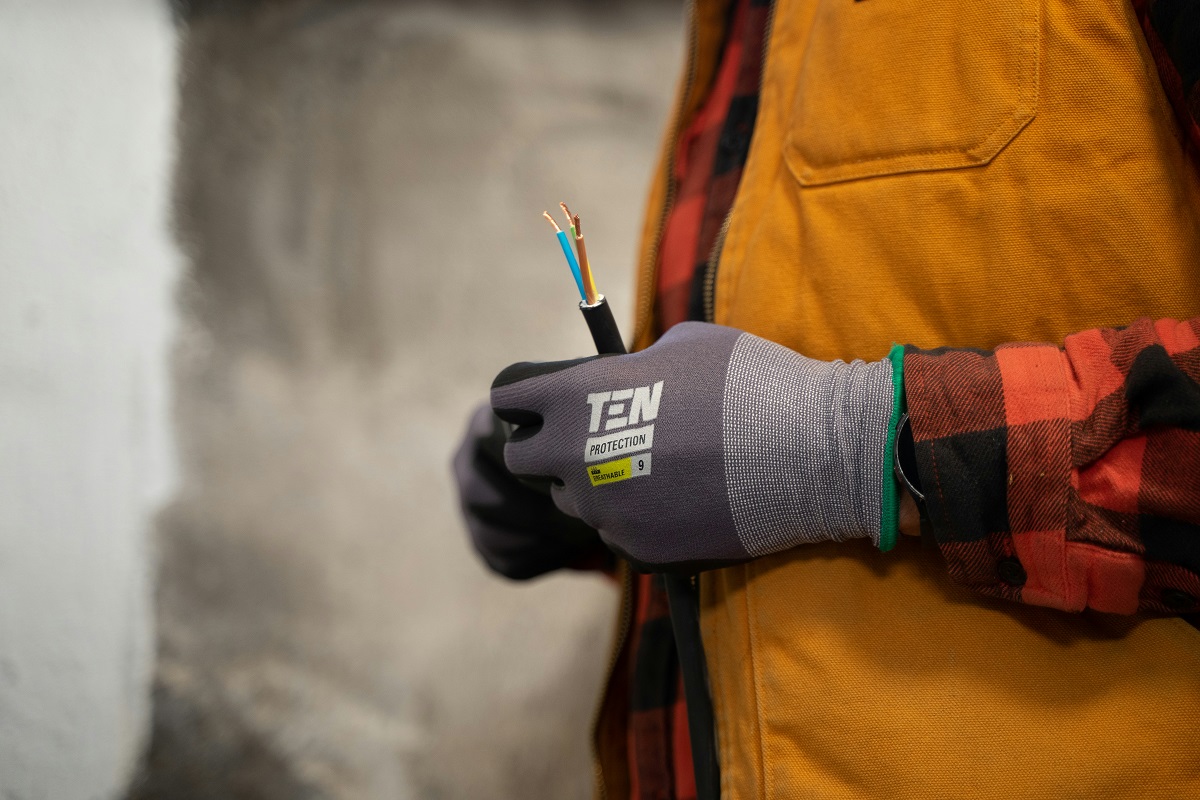
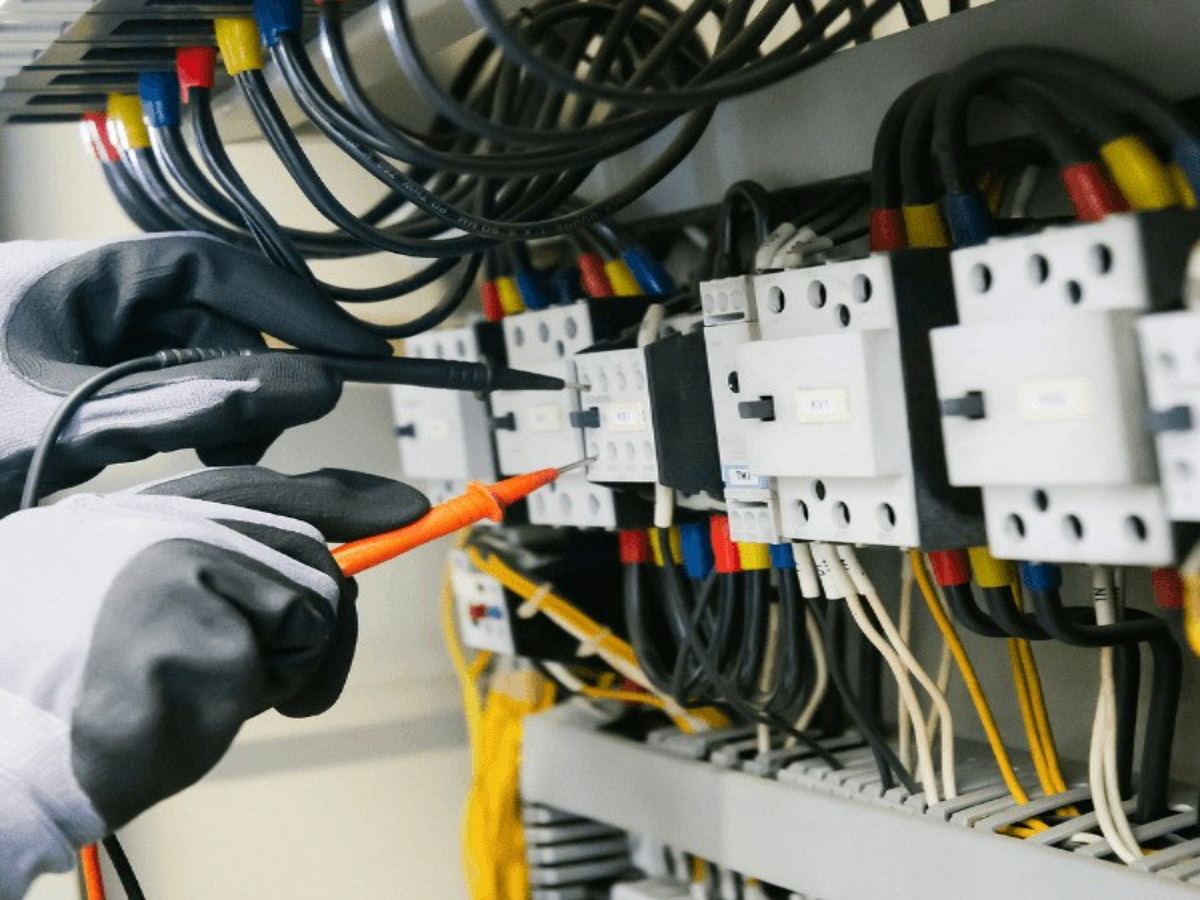
Before diving into timelines, it helps to understand what a full rewire actually means. Rewiring a house involves replacing the existing electrical wiring throughout your home — from the main breaker panel all the way out to every outlet, switch, light fixture, and appliance circuit. It’s not just swapping a few wires here and there. Electricians typically need to run new wire through walls, ceilings, and floors, and in many cases, that means opening up drywall or working through small access points to thread cables without causing total demolition.
A complete rewire also usually includes replacing the electrical panel if it’s outdated, installing new junction boxes, and making sure everything meets current electrical codes. Depending on your local requirements, permits and inspections will be part of the process too. It’s a big job, but it’s one of the most impactful upgrades you can make to an older home.
How Long Does It Take to Rewire a House?
The honest answer is: it depends. For most average-sized homes, a full rewire takes anywhere from 3 to 10 days of actual work. That range is wide, and for good reason — a small, single-story 1,000-square-foot house with easy access to wiring is a completely different project from a multi-story, 3,000-square-foot home with plaster walls and a partially finished basement.
Here’s a general breakdown by home size:
- Small homes (under 1,500 sq ft): 3 to 5 days
- Medium homes (1,500 to 2,500 sq ft): 5 to 7 days
- Large homes (2,500 to 4,000 sq ft): 7 to 10 days
- Very large or complex homes (4,000+ sq ft): 10 days or more
Keep in mind these are estimates for the electrical work itself. When you factor in the permit process, inspections, and any drywall repair or painting afterward, the total project timeline can stretch to several weeks.
What Factors Can Speed Up or Slow Down the Timeline?
Several variables can push that timeline in either direction, and some of them are within your control while others simply aren’t.
Age and Construction of the Home:
Older homes with plaster walls, unusual framing, or hard-to-access crawl spaces take significantly longer to rewire than newer construction with standard drywall and open attic access. Knob-and-tube or aluminum wiring also adds time because it requires more careful removal and replacement.
Number of Electricians on the Job:
A single electrician working alone on a large house will take much longer than a crew of two or three. Most reputable electrical contractors will send a team for whole-home rewires, which can cut the labor time by half or more.
Permit and Inspection Scheduling:
In most jurisdictions, you can’t start the work until a permit is pulled, and you can’t button up the walls until an inspector has signed off. Depending on how busy your local building department is, this can add anywhere from a few days to a couple of weeks to the overall project.
Whether the Home Is Occupied:
Rewiring a home that still has furniture in it, active occupants, and pets moving around is slower and more complicated than working in an empty house. If you can temporarily relocate during the project, it tends to go faster.
Extent of the Rewire:
Some homeowners opt for a full rewire from top to bottom, while others only target specific areas like the kitchen, bathrooms, or the panel. Partial rewires are naturally shorter in duration, though they still require permits and inspections.
What Happens During Each Phase of the Project?

Understanding the stages of a rewire helps set realistic expectations for what each day of work actually looks like.
Phase 1 — Planning and Permits (1 to 2 Weeks Before Work Begins):
Your electrician will assess the existing wiring, create a scope of work, and pull the necessary permits. This is also when you’ll finalize decisions about the panel location, the number of circuits, and whether you want any additions like EV charger outlets or dedicated circuits for home offices.
Phase 2 — Rough-In Wiring (Majority of the Labor Days):
This is the bulk of the work. Electricians open walls, run new wire through the structure, install new boxes, and connect everything back to the panel. At this point, the walls are still open and the wiring is visible for inspection.
Phase 3 — Inspection:
Once the rough-in is done, an inspector from the local building authority will come out to check the work before walls get closed up. This is a non-negotiable step, and the timing depends on inspector availability.
Phase 4 — Wall Repair and Finish Work:
After the inspection passes, drywall gets patched or replaced, and electricians return to install covers, outlets, switches, and fixtures. This phase is often done by separate tradespeople if drywall repair is needed.
Is It Worth Doing Other Upgrades at the Same Time?
If you’re already planning your next home improvement project alongside a rewire, this is actually a smart time to bundle other work. Since walls may already be open and contractors are on-site, it’s far more cost-effective to run new low-voltage wiring for ethernet, audio, or security systems at the same time. HVAC improvements, plumbing upgrades, and insulation work are also commonly done in tandem with rewires in older homes.
Some common add-ons homeowners take advantage of during a rewire include:
- Installing dedicated circuits for kitchen appliances, home offices, or workshop equipment
- Adding whole-home surge protection to the new panel
- Running ethernet cabling for a wired home network
- Installing additional outdoor outlets or landscape lighting circuits
- Pre-wiring for solar panels or battery backup systems
- Setting up circuits for EV charging in the garage
These additions are much less disruptive and expensive when done alongside a rewire than as standalone projects later.
How Do You Know If Your House Needs to Be Rewired?
Not every house needs a full rewire, but certain signs strongly suggest the electrical system is past its prime and poses a genuine safety risk. Here are some of the clearest warning signs to watch for:
- Lights that flicker or dim regularly when appliances turn on
- Breakers that trip frequently or fuses that blow often
- Outlets or switches that feel warm to the touch
- A burning smell coming from walls or panels with no obvious source
- Two-prong outlets throughout the home with no grounding
- A fuse box instead of a circuit breaker panel
- Aluminum or knob-and-tube wiring identified by a home inspector
- A home built before 1970 that has never had its wiring updated
If your home has several of these issues, it’s worth having a licensed electrician do a thorough inspection before waiting for a serious problem to develop. Electrical fires are one of the leading causes of house fires, and outdated wiring is a major contributing factor.
What About Partial Rewires or Panel Upgrades?
Not every situation calls for ripping out every wire in the house. In some cases, upgrading specific circuits or replacing an outdated panel is enough to address the most urgent safety concerns. If your wiring is generally in decent shape but your panel is overloaded or undersized for your current lifestyle, a panel replacement can make a significant difference on its own.
Similarly, upgrading systems to improve comfort and safety doesn’t always require a full house rewire. Adding AFCI (arc-fault circuit interrupter) or GFCI (ground-fault circuit interrupter) protection to existing circuits, for example, can dramatically reduce fire and shock risks without a complete overhaul. Talk to your electrician about what the right scope of work looks like for your specific situation.
A licensed professional can help you prioritize which parts of the electrical system need immediate attention and which can wait, giving you a roadmap that fits both your safety needs and your budget.
How Much Does Rewiring a House Cost?
Cost is almost always part of the conversation when it comes to rewiring, and the numbers can be significant. For a full house rewire, most homeowners in the U.S. can expect to spend somewhere between $8,000 and $20,000 or more, depending on the size of the home, the complexity of the job, and the regional cost of labor.
Here’s a rough breakdown of what drives the cost:
- Labor: This is typically the largest portion of the cost. Electricians usually charge by the hour or by the job, and labor rates vary widely by location.
- Materials: New wire, conduit, outlets, switches, breaker panels, and junction boxes all add up. The quality of materials chosen also affects the final price.
- Permits and inspections: These are non-negotiable costs that vary by municipality but are generally a few hundred dollars.
- Drywall repair: If walls need to be opened up, patching, taping, and painting can add to the overall cost, especially if you hire separate contractors for that portion.
Getting at least three quotes from licensed electricians is always a good idea, and it’s worth asking each contractor for a detailed scope of work so you’re comparing apples to apples.
Can You Live in Your Home During a Rewire?
Technically, yes — but it’s not always comfortable or practical. During the rough-in phase, your power may be shut off to portions of the house for entire workdays at a time. There will be open walls, dust, and workers moving through most rooms. If you have young children, pets, or work from home, it can be genuinely disruptive.
Some families choose to stay in a hotel or with relatives for the most intensive days of the project, then return once walls are being closed up and the disruption level drops. Others manage fine by setting up a temporary living space in one part of the house that isn’t being worked on. It’s worth having a frank conversation with your contractor at the start about what to expect day by day, so you can plan accordingly.
How to Choose the Right Electrician for the Job
A rewire is not the kind of project you want to hand off to whoever gives you the lowest quote. This is a significant investment in the safety of your home, and the quality of the workmanship matters enormously. Here’s what to look for when choosing an electrical contractor:
- Licensing and insurance: Always verify that the contractor holds a valid state electrical license and carries both general liability and workers’ compensation insurance.
- Experience with rewires specifically: Not every electrician does a lot of whole-home rewires. Ask about their experience with projects similar in size and age to your home.
- References and reviews: Ask for references from past rewire clients, and check online reviews across multiple platforms.
- Detailed written estimates: A reputable contractor will provide a clear, itemized quote rather than a vague ballpark figure.
- Permit handling: The electrician should pull the permits themselves and coordinate inspections — if they suggest skipping this step, walk away.
It’s also completely fair to ask a contractor how long they expect the project to take and what their plan is for minimizing disruption to your household. Good communication upfront is usually a solid indicator of how the job will go overall.
Final Thoughts
Rewiring a house is a serious project, but it’s also one of the most valuable investments you can make in your home’s long-term safety, functionality, and resale value. For most homes, the actual electrical work takes somewhere between 3 and 10 days, though the full project — including permits, inspections, and any finish work — can take a few weeks from start to finish. The key is going in with realistic expectations, working with a qualified licensed electrician, and making smart decisions about bundling any additional upgrades while the walls are already open. The end result — a fully updated electrical system that meets modern safety standards — is absolutely worth the temporary inconvenience.