A home’s comfort and safety rely heavily on the performance of its critical systems. While aesthetic updates can improve appearance, the systems that keep a house functioning, climate control, plumbing, electrical circuits, roofing, and more, directly affect daily life, energy efficiency, and long-term property value. Ignoring minor issues in these areas can lead to cascading problems, expensive repairs, and potential hazards.
Modern homeowners are increasingly adopting a proactive approach to system maintenance and upgrades. By planning, inspecting, and addressing issues systematically, it’s possible to prevent emergencies, improve efficiency, reduce energy costs, and extend the lifespan of key components. From indoor climate solutions to exterior protection, thoughtful upgrades ensure that every corner of your home is optimized for comfort, safety, and resilience.
This guide explores practical strategies for improving indoor and outdoor systems, providing actionable tips for homeowners looking to invest in reliability, performance, and long-term peace of mind. Each section focuses on specific areas that, when properly maintained or upgraded, dramatically enhance the functionality, efficiency, and safety of a property.
Improving Indoor Climate and Energy Efficiency
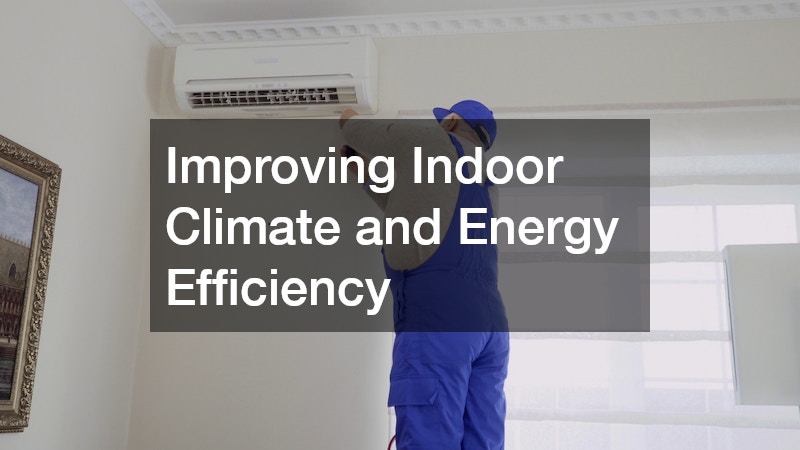
Comfort begins with maintaining a consistent, healthy indoor environment. Heating and cooling systems are the backbone of indoor comfort, and neglecting them can lead to uneven temperatures, higher utility bills, and reduced air quality. Ensuring these systems function properly also protects family members from potential health hazards related to poor ventilation or extreme indoor temperatures.
A skilled technician performing HVAC repair can address common issues such as refrigerant leaks, clogged filters, or malfunctioning thermostats. Timely service helps systems operate efficiently, reducing energy consumption while extending the equipment’s lifespan. Regular inspections also identify early signs of wear or failure, allowing homeowners to schedule repairs before problems escalate.
Geothermal systems provide an energy-efficient alternative to traditional heating and cooling. By leveraging the earth’s natural temperature, these systems offer reliable climate control with lower operational costs. Installing or upgrading to a geothermal system requires professional guidance, but the long-term benefits include improved comfort, reduced utility bills, and a smaller environmental footprint.
Key actions for maintaining indoor climate:
- Schedule annual HVAC inspections and tune-ups.
- Replace air filters regularly to maintain air quality.
- Seal ductwork to prevent leaks and improve airflow.
- Monitor system performance and address anomalies promptly.
- Consider geothermal retrofits to reduce energy consumption.
Strengthening Your Roof and Exterior Protection
The roof is one of the most critical barriers between a home and the elements. A compromised roof can lead to leaks, mold, and structural damage, all of which impact safety and property value. Regular inspections, minor repairs, and timely upgrades are essential to maintaining a secure home.
Metal roofing provides a durable, long-lasting option for homeowners. Its resistance to extreme weather, fire, and corrosion makes it a preferred choice for longevity. Working with professionals to assess current roofing conditions ensures that weak spots are reinforced and small issues are addressed before they evolve into costly problems.
Water damage is often the result of neglected roofing, gutter systems, or poor drainage. Water damage services can remediate leaks, prevent mold growth, and restore compromised areas, protecting both the structure and the health of occupants.
Steps to strengthen the roof and exterior protection:
- Inspect the roof biannually for loose or damaged materials.
- Replace worn shingles or panels promptly.
- Upgrade to metal roofing where long-term durability is desired.
- Address water damage quickly to prevent structural compromise.
- Maintain gutters and downspouts to manage rainfall effectively.
Upgrading Electrical Systems Safely
A reliable electrical system is fundamental to both daily convenience and household safety. Faulty wiring, overloaded circuits, or outdated panels can lead to shocks, appliance damage, or even fires. Ensuring proper maintenance and professional upgrades safeguards the home and its occupants.
Electrical service technicians can perform inspections, upgrade panels, install modern outlets, and resolve wiring issues. Many homeowners overlook how integral electrical systems are to other parts of the home, such as garage doors. Garage door companies rely on safe electrical connections for operation, and malfunctioning wiring can compromise both safety and functionality.
Tips for maintaining and upgrading electrical systems:
- Schedule routine inspections by certified electricians.
- Update outdated panels and breakers to handle modern loads.
- Install surge protection for sensitive electronics.
- Ensure all connections, especially in garages, meet safety standards.
- Monitor appliance and system performance for signs of electrical strain.
Enhancing Plumbing and Water Systems
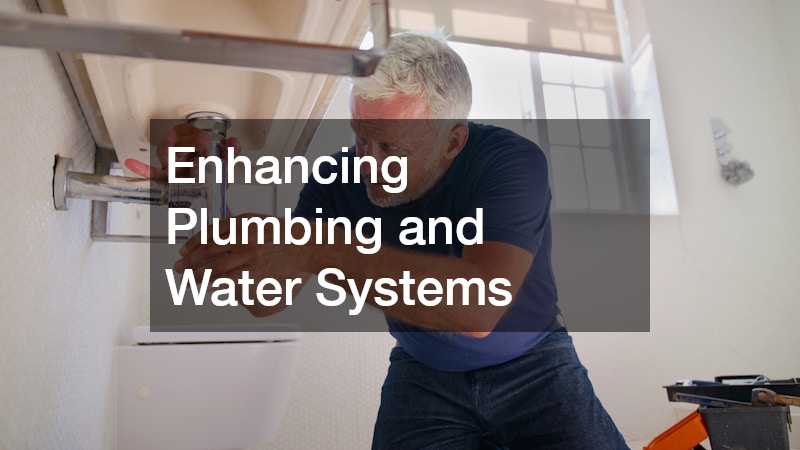
Water is a necessity for comfort, safety, and hygiene, but leaks, corrosion, or blocked drains can quickly escalate into major issues. Maintaining plumbing systems ensures that water flows safely, efficiently, and without interruption.
Local plumbing companies can detect and repair leaks, replace corroded pipes, and install modern fixtures that improve both performance and efficiency. Properly functioning plumbing also reduces the risk of water damage, which can weaken structural elements and create health hazards.
Pools and other outdoor water systems require similar attention. Local pool services provide routine maintenance, leak detection, and water quality management. Keeping these systems in top condition ensures that they remain safe and enjoyable while preventing expensive repairs or water waste.
Best practices for plumbing and water systems:
- Inspect pipes for corrosion or leaks regularly.
- Schedule professional maintenance to prevent major failures.
- Maintain outdoor pools with expert services.
- Upgrade faucets, valves, and fixtures to modern standards.
- Address minor issues before they become costly problems.
Protecting Outdoor Structures and Surfaces
Outdoor elements are constantly exposed to weather, wear, and potential damage. Ensuring these areas are durable and well-maintained improves safety, prolongs lifespan, and supports aesthetic appeal.
A local powder coating company offers specialized services for metal fences, railings, and other exterior fixtures. Powder coating protects surfaces from rust, corrosion, and fading while reducing maintenance requirements. Similarly, custom picture frames or outdoor installations benefit from high-quality materials and expert installation, ensuring longevity and safety.
Maintaining fences, gates, and outdoor structures also contributes to security and usability. Fence installation and fencing services provide both protection and visual appeal, while contractors can advise on materials and design that complement the home.
Actions to protect outdoor structures:
- Apply protective coatings to metal surfaces.
- Schedule regular inspections for wear or damage.
- Use professional installation services for outdoor fixtures.
- Maintain gates and fences to ensure functionality.
- Address environmental wear promptly to prevent costly repairs.
Optimizing Outdoor Landscaping and Yard Safety
Outdoor spaces are not only for aesthetics—they play a crucial role in overall home safety and functionality. Trees, shrubs, and hardscaping elements need consistent attention to prevent hazards like falling branches, root interference, or erosion. Strategic planning and professional maintenance enhance curb appeal, property value, and usability while reducing risks.
A local tree service can evaluate tree health, remove diseased or unstable trees, and provide pruning that encourages strong growth. For more extensive removals, specialized tree companies ensure safe and efficient operations, reducing the chance of property damage or personal injury. Routine trimming also helps maintain visibility, improves sunlight exposure, and enhances the overall landscape design.
Integrating landscaping companies ensures cohesive design and long-term maintenance. They can recommend drought-resistant plants, irrigation systems, and seasonal care routines that keep outdoor areas safe, attractive, and low-maintenance. Combining expert knowledge with regular upkeep preserves the structural integrity of patios, pathways, and garden beds while supporting healthy plant growth.
Key steps for a safe, thriving landscape:
- Inspect trees annually for disease or instability.
- Schedule professional pruning and selective removals.
- Implement effective irrigation to prevent soil erosion.
- Use native plants to reduce maintenance and water usage.
- Regularly maintain hardscaping features such as walkways and retaining walls.
Upgrading and Maintaining Garage and Storage Areas
Garage and storage areas are integral parts of functional homes. Beyond organization, these spaces often house critical equipment, vehicles, and tools. Poor maintenance or malfunctioning components can compromise safety, efficiency, and accessibility.
Garage door companies provide inspections and repairs to ensure doors operate safely and smoothly. Modern upgrades include reinforced panels, smart openers, and security enhancements that protect property and improve usability. Regular maintenance prevents mechanical failures and reduces risks associated with sudden malfunctions.
Storage areas should also be evaluated for structural soundness and durability. Installing weather-resistant shelving, reinforcing load-bearing surfaces, and optimizing layouts enhances both safety and convenience. Attention to these spaces contributes to overall home efficiency and minimizes accidents or damage from improperly stored items.
Best practices for garages and storage spaces:
- Schedule routine garage door inspections and servicing.
- Replace worn components promptly.
- Organize storage to prevent tripping hazards.
- Install durable shelving and support systems.
- Ensure adequate lighting for safety and usability.
Integrating Energy-Efficient and Sustainable Systems
Modern upgrades increasingly focus on energy efficiency and sustainability. Investing in efficient systems reduces utility costs, enhances comfort, and supports environmental responsibility. Both indoor and outdoor components benefit from thoughtful energy-conscious improvements.
Geothermal systems provide sustainable heating and cooling by leveraging consistent underground temperatures. When installed and maintained properly, they offer long-term energy savings, reduce reliance on fossil fuels, and provide consistent climate control year-round. Similarly, optimizing HVAC repair and maintenance ensures that air conditioning and heating units operate at peak efficiency, preventing unnecessary energy waste.
Metal roofing contributes to sustainability by reflecting heat, reducing cooling costs, and lasting longer than conventional materials. Combining this with well-maintained drainage systems and insulation upgrades maximizes energy efficiency and comfort. Solar integration or reflective coatings can further enhance performance, creating a resilient, cost-effective home environment.
Energy-efficient upgrades to consider:
- Install geothermal or high-efficiency HVAC systems.
- Replace aging roofing with reflective or metal materials.
- Improve insulation in key areas to reduce energy loss.
- Upgrade windows and doors to high-performance units.
- Incorporate renewable energy options where feasible.
Scheduling Regular Maintenance
The longevity of home systems depends on a proactive approach to maintenance. Routine inspections, timely repairs, and professional services prevent minor issues from escalating into major emergencies. A structured schedule ensures that each system receives attention at appropriate intervals.
HVAC repair, plumbing company services, and electrical service providers play key roles in system reliability. Scheduling annual checkups, addressing unusual sounds or leaks promptly, and replacing worn components maintains optimal performance. Local pool services also ensure water systems remain safe, clean, and functional throughout the year, preventing damage and costly restoration.
Homeowners should create a maintenance calendar that includes seasonal tasks, safety checks, and system inspections. Documenting service history helps anticipate future needs, plan budgets, and coordinate multiple contractors efficiently. Combining preventive care with professional expertise strengthens home systems, reduces stress, and protects property value.
Maintenance strategies for long-term reliability:
- Create a yearly inspection schedule for HVAC, plumbing, and electrical systems.
- Document all repairs, replacements, and professional visits.
- Address minor issues before they escalate.
- Coordinate with trusted local service providers.
- Review energy and water efficiency improvements annually.
Protecting Valuables and Enhancing Comfort
Upgrades should extend beyond basic systems to areas that improve lifestyle and preserve property value. Well-maintained interior finishes, storage solutions, and custom features enhance comfort, organization, and security.
Custom picture frames and personalized installations not only improve aesthetic appeal but also protect cherished items. Proper placement, secure mounting, and climate-controlled environments ensure long-term preservation of art, photos, and memorabilia.
Similarly, attention to everyday convenience features—such as organized storage, ergonomic furniture layouts, and accessible pathways—boosts usability and minimizes risks of injury. Thoughtful planning ensures that comfort, safety, and style coexist, creating a home environment that supports both daily living and long-term enjoyment.
Upgrading and maintaining critical home systems is essential for comfort, safety, and long-term value. Thoughtful investment in climate control, roofing, electrical, plumbing, and outdoor infrastructure prevents emergencies, reduces repair costs, and improves overall efficiency. Proactive maintenance, combined with professional guidance, ensures each component functions reliably while maximizing energy performance and resilience.
By integrating sustainable systems, enhancing outdoor spaces, and addressing both visible and hidden issues, homeowners can create a balanced, functional, and appealing living environment. Regular inspections, timely interventions, and planned upgrades reduce stress, protect the property, and improve everyday quality of life. Consistent attention to both major systems and smaller details—such as drainage, ventilation, and storage—further enhances safety, convenience, and long-term durability. A home that is consistently maintained and thoughtfully upgraded becomes more than just a dwelling—it becomes a safe, efficient, and comfortable sanctuary, capable of supporting a family’s lifestyle while preserving its long-term value and enjoyment for years to come.