In a construction project, selecting the appropriate dumpster is crucial for efficient waste management. The right dumpster can help save time, money, and effort. This article will guide you through essential considerations for choosing the perfect dumpster for your needs. Effective waste disposal not only streamlines project execution but also adheres to environmental mandates.
What Size Dumpster Do I Need?
Choosing the correct dumpster size is integral to the success of your construction project.
Consider the Scope of Your Project
Evaluating the scope is the first step to determine the right size. Large projects like demolitions may require 30-yard dumpsters, while smaller renovations could make do with 10-yard bins.
Precise evaluation minimizes overspending and ensures optimization of space and resources.
Common Dumpster Sizes and Uses
There are a variety of dumpster sizes available, each suitable for different project scopes. Common dumpsters range from 10 to 40 cubic yards. A 10-yard dumpster is often used for modest cleanup or small remodeling tasks. Larger sizes cater to extensive renovations, landscape work, or bulky waste removal. Understanding these applications allows for a more targeted decision that accommodates the project’s needs.
Calculating Waste Volume
Estimating the waste volume prevents unnecessary costs and narrows down the required dumpster dimensions. Start by assessing the types and volumes of waste you anticipate. It’s helpful to sort waste materials since recyclable or hazardous waste might require separate disposal units. Volume calculation tools can aid in this process, providing a visual estimate to avoid over or underestimating your needs. Precise calculations ensure your project doesn’t suffer from logistical disruptions.
What Materials Will the Dumpster Accept?
Understanding material restrictions determines how effectively you can use the rented dumpster.
Understanding Material Restrictions
Not all materials are permitted in dumpsters. Items like paints, solvents, and batteries are typically prohibited due to their hazardous nature. It’s vital to confirm with your waste disposal company to understand these restrictions fully. Compliance helps prevent penalties and ensures safe disposal procedures, aligning with environmental safety standards.
Ensuring Compliance with Local Regulations
Each locality has specific laws governing what can be placed within rental dumpsters. Researching local regulations can inform you of any unique restrictions or requirements applicable to your area. Dumpsters overflowing with unauthorized materials might incur fines or additional fees. Understanding and complying with these regulations safeguards both the environment and the project’s budget. Keeping current with local mandates enhances your project’s feasibility and compliance.
Specialty Dumpsters for Specific Materials
Occasionally, certain projects necessitate dumpsters specifically designed for particular types of waste. For example, roofing debris or heavy concrete often requires specialty dumpsters to manage weight and disposal methods effectively. Specialty dumpsters ensure the safe disposal of materials without risking damage to standard dumpsters or vehicles. They are engineered to accommodate the density and type of waste, thus preventing mishaps during handling. Utilization of specialized dumpsters also streamlines the recycling and repurposing process, contributing to environmental sustainability.
How Much Does a Dumpster Rental Cost?
Pricing is a crucial aspect of renting a dumpster that must not be overlooked.
Factors Affecting Rental Pricing
The cost of renting a dumpster depends on several factors, including size, location, rental duration, and waste type. Larger dumpsters are typically more expensive due to additional handling and disposal costs. Costs may differ significantly across regions due to varying logistic and disposal fees. Understanding these factors can help secure a dumpster rental that fits within your budget while meeting the needs of your project. Proactive financial planning avoids unanticipated expenses.
Getting Accurate Quotes
Securing an accurate quote requires providing detailed project information to the rental service provider. It includes the type and volume of waste, rental period, and special delivery requirements. Comparisons among several providers can also yield competitive pricing. Some companies might bundle disposal fees, while others separate these charges, affecting the bottom line. Accurate quotes promote budget integrity and resource allocation.
Cost-Saving Tips for Dumpster Rentals
There are numerous strategies to reduce expenses associated with dumpster rentals. Maximize the dumpster’s usage by planning waste disposal efficiently and minimizing disposal frequency. Consider off-peak rental periods or long-term leases, which can sometimes incur discounts. Sorting waste effectively can also reduce fees associated with disposal and recycling. Apply for any local government subsidies for waste management to further defray costs.
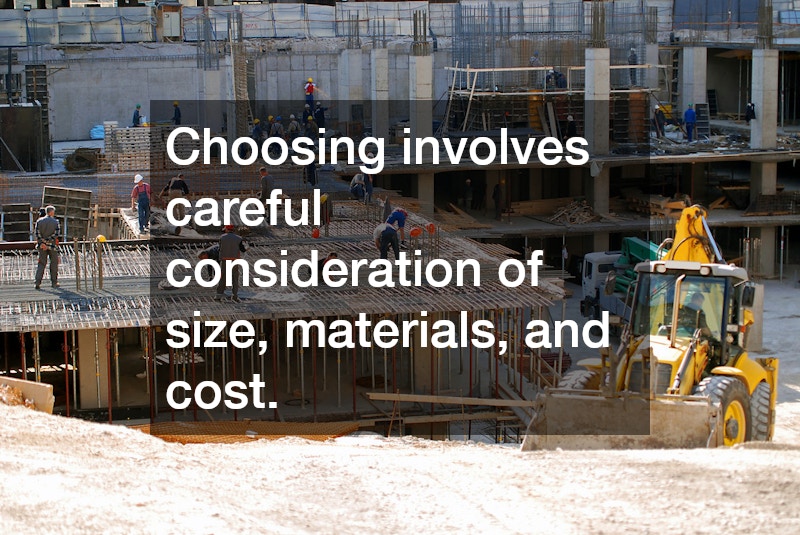
Choosing the right construction dumpster involves careful consideration of size, materials, and cost. By understanding these factors and planning accordingly, you can ensure smooth waste management for your project and avoid unnecessary expenses. Emphasizing the environmental and logistical importance enhances project outcomes, resource utilization, and compliance with legal standards. Ensure your dumpster choice aligns with your project’s needs, forecasts potential challenges, and provides a comprehensive waste solution. This strategic approach not only fosters operational efficacy but also supports sustainable project management values.