A well-maintained home should support your daily routines without creating unnecessary disruptions. When a faucet starts leaking, a door stops working properly, or a heating and cooling system struggles to keep up, even a small issue can interfere with your comfort. Some problems are easy to notice, while others develop gradually behind walls, beneath the ground, or above the ceiling. Addressing these concerns early can help prevent them from becoming more disruptive and expensive.
Home repairs can also involve more than fixing something that has already failed. Regular inspections, maintenance, and timely updates can help identify worn components before they create larger problems. A damaged roof, for example, can allow moisture into areas that are difficult to access, while an aging electrical system can create issues throughout the home. Plumbing and sewer problems can also affect multiple fixtures or rooms if they’re left unresolved.
Taking a practical approach to home maintenance starts with knowing which systems need attention and recognizing signs that something isn’t working as it should. Some repairs require a qualified professional because they involve specialized equipment, electrical components, structural materials, or systems that can cause significant damage when handled incorrectly. By addressing problems promptly and keeping important parts of the home in good condition, homeowners can create a safer, more comfortable, and more dependable living environment.
Fix Leaks and Other Plumbing Problems
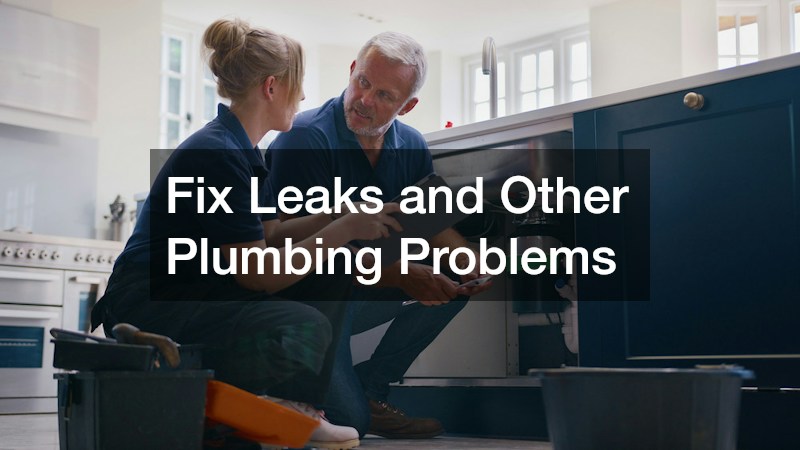
Plumbing problems can quickly become disruptive, particularly when they involve active leaks, clogged fixtures, or damaged pipes. A dripping faucet might seem minor, but persistent leaks can waste water and contribute to moisture problems around sinks, cabinets, floors, and walls. Other signs of trouble can include low water pressure, slow drains, unusual sounds from pipes, or water appearing where it shouldn’t.
Professional plumbing repair can address a wide range of issues throughout the home. A professional can inspect fixtures, pipes, valves, and connections to identify the source of a problem rather than simply addressing the visible symptom. This can be especially helpful when water damage is occurring behind a wall or underneath a fixture.
Homeowners should also pay attention to changes in their plumbing system. A toilet that frequently runs, a drain that repeatedly becomes clogged, or water that takes longer than usual to drain can indicate an underlying issue. Addressing these signs early can help limit the disruption and protect surrounding materials from prolonged moisture exposure.
Clear Tough Buildup From Your Pipes
Over time, pipes can accumulate mineral deposits, grease, sediment, and other materials that restrict the flow of water. Traditional drain cleaning methods can sometimes address a blockage, but more substantial buildup might require a more thorough approach. When buildup extends along the interior walls of a pipe, simply opening a small passage through the obstruction might not fully address the problem.
Hydrojetting uses highly pressurized water to clean the interior of pipes and remove accumulated debris. Because the process uses water pressure rather than mechanical cutting tools, it can clean a larger portion of the pipe interior. The appropriate approach depends on the condition, material, and configuration of the plumbing system.
Recurring clogs, slow drains, and unpleasant odors can indicate that pipes need more than a basic drain treatment. A professional can evaluate the plumbing system and determine whether hydrojetting is appropriate. Properly cleaning pipes can help restore water flow and address buildup that contributes to recurring drainage problems.
Address Roofing Problems Before They Spread
The roof protects many of the home’s most important interior components from rain, snow, wind, and other outdoor conditions. When roofing materials become damaged, moisture can find its way beneath shingles, around flashing, or through other vulnerable areas. What starts as a small exterior problem can eventually affect insulation, ceilings, walls, and other materials inside the home.
Homeowners should watch for missing or damaged shingles, visible deterioration, damaged flashing, water stains, and areas where the roof appears uneven. Not every roofing problem is obvious from the ground, which makes periodic professional inspections useful. A roofing professional can examine areas that aren’t easy or safe for homeowners to access.
Roofing contractors can also help determine the appropriate response to different types of damage. Some problems can be addressed with targeted repairs, while widespread deterioration might require more extensive work. Addressing roofing concerns promptly can help reduce the likelihood that a small defect will develop into a larger moisture-related problem.
Repair Damage to Protect Your Home
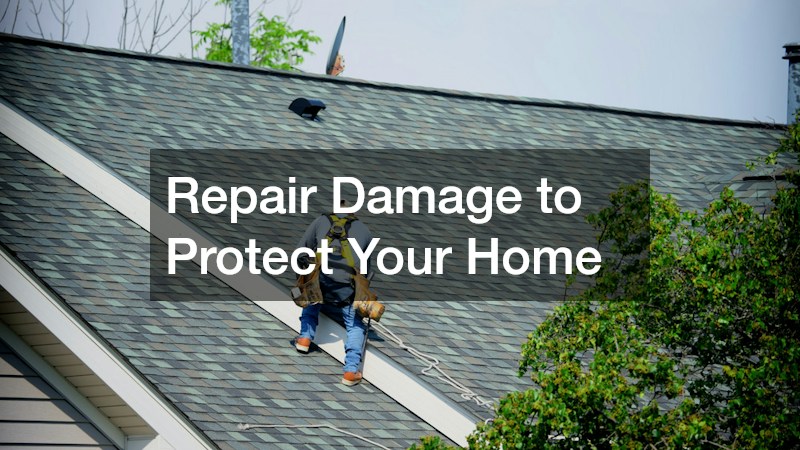
Roof damage can occur for many reasons, including severe weather, falling branches, age, and prolonged exposure to the elements. Even when damage appears limited to a small area, water can travel beneath roofing materials and reach parts of the structure that aren’t immediately visible. This is why homeowners shouldn’t ignore signs of a potential roof leak.
Residential roof repair can address issues such as damaged shingles, deteriorated flashing, leaks, and other localized problems. The specific repair depends on the type and extent of the damage, as well as the condition of the surrounding roofing materials. A professional assessment can help determine whether repairing the affected area is appropriate.
It’s also important to consider the age and overall condition of the roof. Repeated repairs in several locations could indicate broader deterioration. Keeping records of previous repairs and having the roof inspected periodically can help homeowners make informed decisions about maintenance and future work.
Restore Smooth and Reliable Garage Door Operation
A garage door is one of the largest moving components in many homes, and its operation depends on several interconnected parts. Springs, cables, rollers, tracks, and openers all contribute to smooth movement. When one component begins to fail, the door can become noisy, difficult to open, uneven, or completely inoperable.
Garage door spring repair should be handled by a trained professional because garage door springs are under significant tension. Attempting to repair or replace them without the appropriate knowledge and equipment can result in serious injury or additional damage to the door.
Warning signs of spring problems can include a door that feels unusually heavy, struggles to stay open, moves unevenly, or makes unusual sounds during operation. Addressing these issues promptly can help prevent additional strain on the opener and other components. Regular inspections can also identify worn parts before they interfere with normal use.
Resolve Problems With Your Home’s Sewer System
Sewer problems can be especially disruptive because they affect the system responsible for carrying wastewater away from the home. Slow drains throughout the house, recurring backups, unpleasant odors, and changes in toilet performance can indicate a problem beyond an individual fixture.
Sewer repairs can involve clearing blockages, repairing damaged sections of pipe, addressing root intrusion, or replacing deteriorated portions of the sewer line. The appropriate solution depends on the location and cause of the problem. Professionals can use specialized inspection equipment to identify issues inside underground or otherwise inaccessible pipes.
Homeowners should pay attention when multiple drains begin having problems at the same time. A single clogged sink might involve a localized issue, while widespread drainage problems can point to a larger concern within the main sewer line. Prompt attention can help reduce the possibility of wastewater backing up into the home and causing additional damage.
Keep Your Heating and Cooling System Working Properly
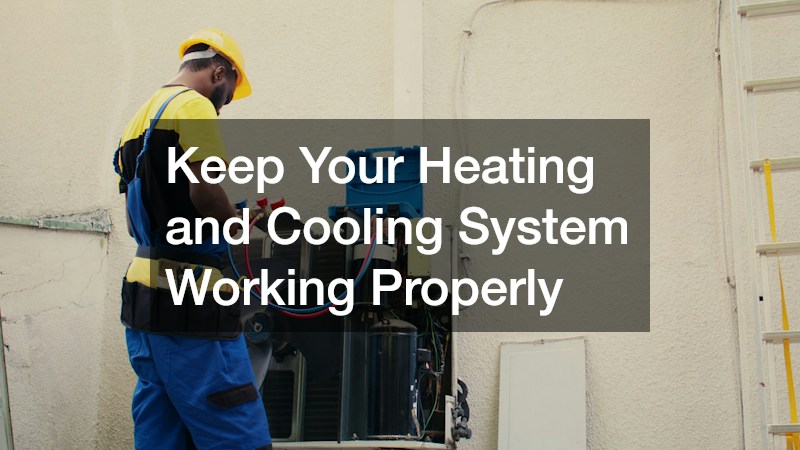
Heating and cooling equipment plays an important role in maintaining a comfortable indoor environment throughout the year. When an HVAC system isn’t operating correctly, homeowners might notice inconsistent temperatures, unusual noises, weak airflow, or unexpectedly high energy bills. Some problems develop gradually, while others can cause the system to stop working altogether.
Regular HVAC Service can help identify worn components, airflow problems, dirty filters, refrigerant-related issues, and other concerns. Maintenance can also provide an opportunity to inspect important components and identify potential problems before they interrupt heating or cooling.
Homeowners can support their HVAC system by replacing filters according to the manufacturer’s recommendations and keeping supply and return vents clear. It’s also useful to pay attention to changes in performance. If the system cycles unusually often, struggles to reach the selected temperature, or produces unusual sounds, a professional evaluation can help identify the cause.
Repair Damage Around Your Fireplace and Roofline
Chimneys are exposed to outdoor conditions year-round, so masonry, flashing, caps, and other components can deteriorate over time. Cracks, damaged mortar, water stains, or loose materials can create openings where moisture enters the structure. Chimney problems can also affect the safe operation of a fireplace or other vented appliance.
Chimney repair can address problems such as damaged masonry, deteriorated mortar joints, flashing issues, and other areas of deterioration. The appropriate repair depends on the chimney’s construction and the extent of the damage. Regular inspections can help identify issues that aren’t easily visible from inside the home.
The connection between the chimney and roof deserves particular attention because flashing helps prevent water from entering around the chimney base. If flashing becomes damaged or improperly sealed, water can reach the roof structure and nearby interior areas. Addressing both the chimney and surrounding roof components can help protect the home from moisture-related damage.
Improve the Safety and Reliability of Your Electrical System
A home’s electrical panel distributes electricity to circuits throughout the property. When the panel or its components are outdated, damaged, overloaded, or otherwise unable to meet the home’s needs, electrical problems can occur. Warning signs can include frequently tripped breakers, flickering lights, buzzing sounds, or unusual warmth around electrical equipment.
Electrical panel service can include inspection, repairs, component replacement, or other work based on the condition of the system. A professional can evaluate the panel and determine whether it is operating properly and safely. They can also assess whether the electrical system can support changes such as new appliances, additions, or other upgrades.
Homeowners shouldn’t ignore repeated breaker trips or other unusual electrical behavior. A breaker that trips occasionally can have several causes, but frequent trips can indicate that a circuit or component needs attention. Professional evaluation can help identify the underlying issue instead of simply resetting the breaker each time.
Address Electrical Issues Throughout Your Home
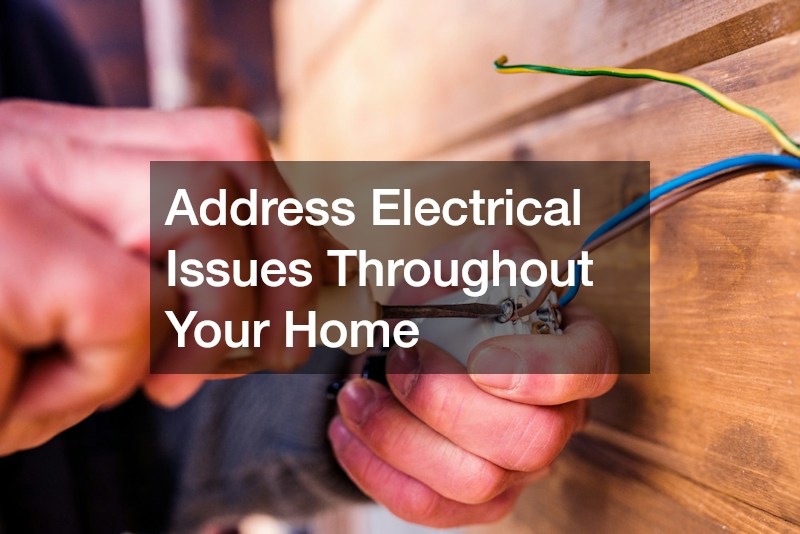
Electrical problems can occur in individual fixtures, outlets, switches, circuits, and wiring throughout a home. Flickering lights, dead outlets, warm switches, unusual odors, buzzing sounds, and frequent breaker trips can all indicate that an electrical component needs inspection.
An electrician can diagnose electrical problems and perform repairs that require specialized training and equipment. Professional assistance is particularly important for work involving wiring, circuits, service equipment, and other components that can present serious safety hazards when handled incorrectly.
Electrical concerns should also be considered when planning other home improvements. Adding major appliances, finishing a basement, remodeling a kitchen, or installing new lighting can change the electrical demands placed on a home. Discussing these plans with a qualified professional can help determine whether existing circuits and equipment can support the planned changes.
Keeping a home in good working order involves paying attention to the systems that provide comfort, safety, and everyday convenience. Problems don’t always appear as dramatic failures. A slow drain, a small roof leak, an unusual garage door movement, or a flickering light can be an early indication that something needs attention. Recognizing these warning signs and addressing them promptly can help homeowners avoid unnecessary disruption and protect their property.
Different repairs require different approaches. Plumbing concerns might involve fixtures or pipes, while sewer problems can require specialized inspection equipment. Roofing and chimney issues can involve areas that are difficult to access safely, and garage door springs contain stored tension that makes professional service particularly important. Heating, cooling, and electrical systems also contain components that require appropriate knowledge and equipment.
A proactive approach can make home maintenance more manageable. Regular inspections, timely repairs, and attention to changes in how household systems operate can help homeowners identify concerns before they become more extensive. Keeping track of previous repairs can also provide useful information when evaluating recurring problems or planning larger improvements.
Getting a home back on track doesn’t necessarily require addressing every system at once. Instead, homeowners can prioritize active problems, safety concerns, and signs of ongoing damage. By taking care of necessary repairs and maintaining the systems that support daily life, homeowners can keep their properties comfortable, functional, and ready for the demands of everyday living.