
Discover the essential steps and smart strategies for effectively planning your next home improvement project, ensuring cost efficiency, and long-term value addition to your home. Understanding the scope and objectives of your project is crucial for developing a realistic plan that meets your goals and budget. By making informed decisions, you can enhance your home’s aesthetics and functionality, thereby increasing its market value.
One important step in planning a successful project is evaluating which areas of the home require the most attention. Prioritizing upgrades that improve structural integrity, energy efficiency, or everyday usability can help homeowners achieve meaningful results. This approach allows renovation efforts to focus on improvements that offer lasting benefits.
Researching materials and service providers also plays a key role in achieving successful outcomes. Comparing product durability, installation requirements, and professional experience helps homeowners make confident choices. Careful evaluation helps ensure that improvements align with both project goals and financial considerations.
Establishing a clear timeline can further support a smooth renovation process. Planning each stage of the project allows homeowners to manage progress effectively and minimize disruptions to daily routines. With thoughtful preparation and organization, home improvement projects can be completed efficiently while delivering long-term value.
1. How to Choose a Reliable Local Roof Repair Service
Choosing a reliable local roof repair service is vital for a successful home improvement project. Evaluating credentials and experience helps ensure you hire a competent professional. A qualified contractor will guide you through the complexities of roof repairs, providing clear insights and recommendations.
Comparing quotes and material options is another essential step in selecting a roof repair service. Different services offer varied pricing and material quality, impacting the overall outcome of your project. By exploring diverse options, you can make an informed choice that balances quality with your budget.
Checking insurance and warranty details protects you from unforeseen issues. A reputable contractor provides comprehensive insurance and warranty coverage, safeguarding your investment. This step ensures that any potential damages or modifications are handled without additional costs to you.
2. Common Roof Repairs and How to Handle Them

Identifying signs of wear and tear on your roof is crucial for timely intervention. Regular inspections help spot issues such as loose shingles or leaks early on. Addressing these problems promptly prevents more significant damage and costly repairs.
DIY roof maintenance tips can empower homeowners to take charge of their roof’s upkeep. Simple tasks like clearing debris and checking for water stains can prolong the roof’s lifespan. However, it’s essential to know your limits and seek professional help when necessary.
When to call a professional is an important consideration in roof maintenance. While minor repairs might be manageable, complex issues demand expertise from a local roof repair service. Hiring professionals ensures safety and durability, as they possess the tools and knowledge to handle intricate repair work effectively.
Regular roof inspections can help homeowners identify early signs of wear that might otherwise go unnoticed. Looking for loose shingles, damaged flashing, or areas where debris tends to accumulate can provide insight into the roof’s overall condition. Catching these issues early allows for timely repairs that help protect the home.
Maintaining proper drainage is another important part of roof care. Keeping gutters and downspouts clear helps prevent water from pooling on the roof or along the foundation of the home. Effective drainage supports the roof’s durability and reduces the risk of water-related damage.
By combining routine maintenance with professional inspections when needed, homeowners can help extend the lifespan of their roofing system. A proactive approach to roof care helps maintain structural protection while contributing to the long-term reliability of the home.
3. Finding the Best Siding Companies in Your Area
Researching local reviews and recommendations is a valuable method to find reputable siding companies. Customer feedback provides insights into a company’s reliability and service quality. It’s wise to choose firms that consistently receive positive reviews from satisfied clients.
Selecting the right siding material is crucial for enhancing your home’s exterior. Options range from vinyl to wood, each offering distinct aesthetics and durability. Consulting with experts can help determine the best fit for your climate and personal style.
Understanding cost and installation processes is indispensable before proceeding. Different materials and designs influence the project’s total expense. A detailed analysis allows you to plan your budget accordingly and avoid unexpected financial stress.
Taking time to review installation timelines can also help homeowners prepare for the project more effectively. Understanding how long each stage of the process may take allows for better planning and coordination with contractors. This preparation helps minimize disruptions to daily routines while keeping the project organized.
It is also beneficial to evaluate the long-term durability and maintenance requirements of the chosen materials. Some materials may have higher upfront costs but offer greater longevity and reduced maintenance over time. Considering these factors helps homeowners select options that provide lasting value.
Clear communication with contractors throughout the planning process can further support successful project outcomes. Discussing expectations, material choices, and potential challenges helps ensure everyone involved understands the project goals. This collaborative approach helps reduce uncertainty and contributes to a smoother installation experience.
4. What to Know Before Gutter Installation

Choosing the right gutter type for your gutter installation requires an understanding of your property’s needs. Material options like aluminum and vinyl vary in cost and longevity. A professional assessment can guide you in selecting the most suitable option for effective water management.
Downspout placement and installation tips ensure efficient water drainage. Proper installation prevents water accumulation, which can damage your home’s foundation. Expert advice helps optimize placement, reducing the risk of future issues.
Maintenance tips for longevity are vital for preserving your gutters’ functionality. Regular cleaning and inspections deter blockages and deterioration. Implementing a maintenance schedule extends the life of your gutters, protecting your home from water damage.
5. How to Hire a Local Painting Contractor
Defining your painting project requirements is the first step in hiring a local painting contractor. Clearly outlining your desired outcomes informs your contractor of your expectations. A detailed plan ensures the project aligns with your vision, minimizing misunderstandings.
Gathering and comparing contractor bids helps identify the best candidate for your project. Soliciting multiple bids provides a spectrum of pricing and service offerings. Evaluating these against your budget and scope of work ensures a well-informed decision.
In addition to comparing prices, homeowners should review each contractor’s experience and qualifications. Looking into licensing, certifications, and past project work can provide insight into the contractor’s reliability and skill level. This information helps ensure that the chosen professional has the expertise required to complete the project effectively.
Checking references and customer feedback can also support a confident hiring decision. Reviews and testimonials from previous clients may highlight the contractor’s communication style, workmanship quality, and ability to complete projects on schedule. These insights can help homeowners better understand what to expect during the renovation process.
Taking the time to ask questions and clarify project details with potential contractors can further strengthen the decision-making process. Discussing timelines, materials, and potential challenges allows homeowners to evaluate how well each contractor aligns with their expectations. This thorough approach helps promote smoother project planning and more successful results.
6. Preparing for Exterior Painting Projects
Surface preparation techniques are critical for a long-lasting exterior painting finish. Proper cleaning and priming create an optimal base for new paint. Neglecting this step can lead to peeling and an uneven appearance over time.
Color selection and trends play a significant role in your home’s exterior appeal. Contemporary colors can refresh your home’s appearance, enhancing its curb appeal. Considering current trends alongside timeless palettes ensures an attractive, yet enduring look.
Timing and weather considerations affect the success of exterior painting projects. Ideal conditions include moderate temperatures and low humidity to prevent paint issues. Planning around seasonal changes ensures a smooth, uninterrupted application process.
7. Utilizing an Excavating Company for Property Improvements
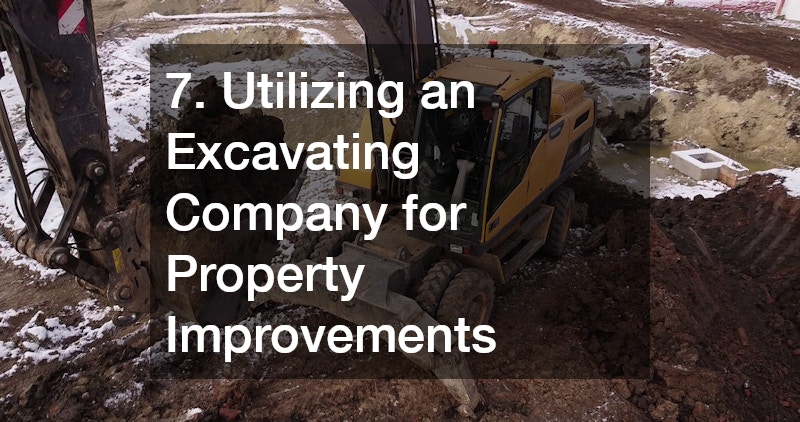
Understanding excavation services and needs is a precursor to hiring an excavating company. These services include land clearing, foundation digging, and trenching, each requiring specialized expertise. Proper preparation ensures your project’s groundworks are executed safely and efficiently.
Safety precautions and regulations are crucial in mitigating risks during excavation. Adherence to local laws and guidelines ensures compliance and reduces accident likelihood. Partnering with experienced professionals guarantees that safety protocols are diligently followed.
Cost management strategies are pivotal in controlling excavation expenses. Obtaining multiple quotes and assessing disruptive potential minimizes unexpected costs. Thoughtful planning helps allocate resources wisely, preventing budget overruns.
8. Benefits of Working with Paving Contractors
Material selection for paving projects influences durability and aesthetic outcomes. Choices like concrete and asphalt have unique benefits and limitations. Expert consultation from paving contractors helps identify the best material for your specific project requirements.
Comparing paving patterns and designs enhances your property’s visual appeal. A variety of styles exist, from classic herringbone to sleek modern layouts. Thoughtful design selection reflects your personal taste while complementing your home’s architecture.
Maintenance tips for paved surfaces ensure longevity and appearance retention. Routine cleaning and sealing prevent damage and fading. A proactive maintenance approach safeguards your investment, keeping your paved areas pristine.
9. What Does a General Contractor Do?
Key responsibilities and services offered by a general contractor encompass overall project oversight. They coordinate various trades and ensure timely project completion. Engaging a general contractor streamlines communication and simplifies project complexity.
When to hire a general contractor typically depends on your project’s size and scope. Large or complex renovations benefit from their expertise and management skills. They oversee every detail, ensuring quality and compliance with regulations.
Communication and project management are central to a successful construction project. A general contractor facilitates effective communication across all parties involved. This coordination prevents delays and misunderstandings, ensuring smooth project execution.
10. Understanding the Role of HVAC Contractors in Home Renovations

Assessing your heating and cooling needs is integral to selecting the right HVAC contractors. They analyze your home’s layout and climate requirements to recommend suitable systems. An efficient system improves comfort and reduces energy costs.
Installation and upgrade considerations ensure your HVAC system meets current standards. Modern systems offer improved efficiency, reducing energy consumption and costs. Professional contractors guarantee proper installation, maximizing performance and lifespan.
Energy efficiency and cost savings are significant benefits of an updated HVAC system. New technologies provide better temperature control with less energy use. Over time, these savings make the initial investment more cost-effective for homeowners.
HVAC contractors can also evaluate supporting components such as ductwork and ventilation systems. Proper airflow is essential for maintaining consistent temperatures throughout the home. Addressing issues within these systems can improve overall heating and cooling performance.
Routine maintenance recommendations from HVAC professionals help preserve system efficiency over time. Services such as filter replacements, system inspections, and performance testing ensure that equipment continues operating as intended. Regular maintenance can also help reduce the likelihood of unexpected breakdowns.
By working with experienced HVAC contractors during renovation projects, homeowners gain valuable guidance on selecting and maintaining efficient systems. Their expertise helps ensure that heating and cooling solutions are properly integrated into the home’s design. This careful planning supports long-term comfort and reliable system performance.
By carefully selecting the right professionals and approaching each aspect of your home improvement project thoughtfully, you can ensure a successful renovation that enhances your home’s value and livability. Strategic planning and informed decisions prevent unnecessary pitfalls and maximize return on investment. Embrace the process as a transformative journey and enjoy the rewards of a beautifully improved home.
Taking time to outline clear goals at the beginning of a renovation can help guide each step of the process. Establishing priorities allows homeowners to focus on improvements that provide the greatest benefits in terms of comfort, efficiency, and functionality. A well-defined plan also helps keep projects organized and aligned with the overall vision for the home.
Careful budgeting is another important part of a successful home improvement project. Evaluating potential costs, researching materials, and setting aside funds for unexpected expenses can help prevent financial strain. This preparation allows homeowners to move forward with confidence while maintaining control over project spending.
Working with experienced professionals can significantly improve the quality and efficiency of renovation efforts. Contractors, designers, and service providers bring valuable expertise that helps ensure installations are completed correctly. Their guidance can also assist in selecting materials and solutions that best suit the home’s needs.
Regular communication throughout the renovation process helps keep projects running smoothly. Maintaining open discussions with contractors and service providers allows homeowners to stay informed about progress, timelines, and any adjustments that may arise. This collaboration supports better outcomes and fewer misunderstandings.
Ultimately, thoughtful planning and careful execution allow homeowners to create living spaces that reflect both practicality and personal style. By approaching each project with patience and preparation, homeowners can enjoy improvements that enhance their property’s comfort, appearance, and long-term value.